
Kido Dam

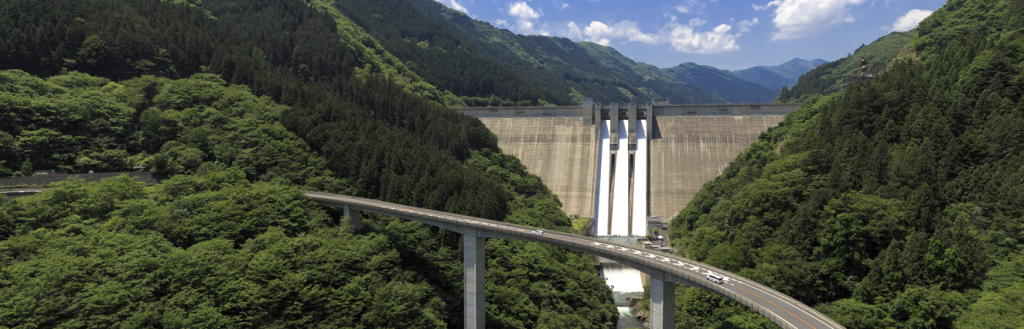
Above image is from Wikimedia. A Wikipedia entry for ‘Kido Dam’ is strangely absent: a 300 foot high hydroelectric dam with a reservoir capacity of .5 billion cubic meters, and with an attached Recreation Area, has no Wikipedia article.

though a page exists for:
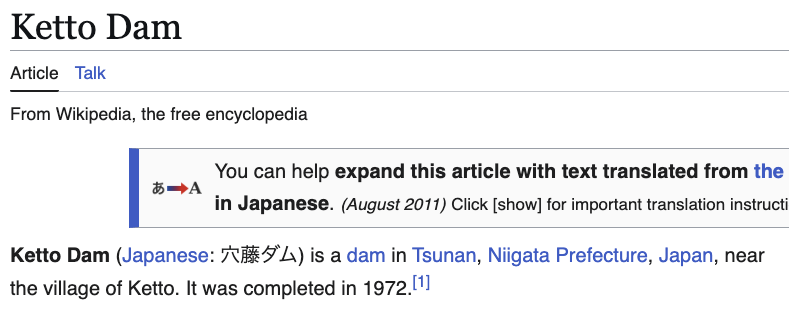
even though Ketto Dam is less than half the size of Kido Dam.
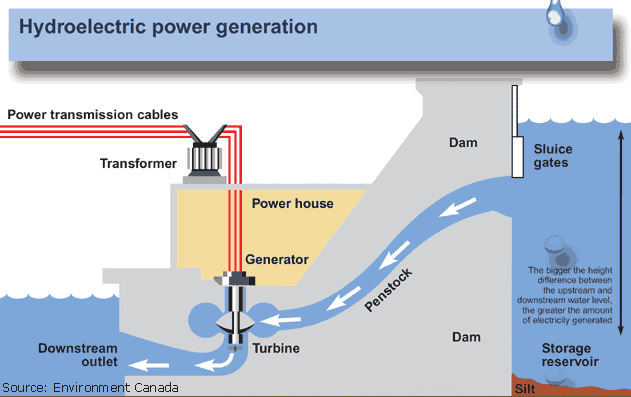
Japan is an energy-starved nation, having no domestic coal or oil resources; this explains the persistent national drive for more domestic hydropower 1 and even more nuclear power. Therefore an especially valuable resource is ideal locations along rivers for siting a hydroelectric dam. The desired ‘lay of the land’ and the underlying geology and hydrology has to be optimal. A scant number of sites could ever be suitable.
It is inconceivable that the Japanese would waste a prime site for a dam which doesn’t actually do anything.
From damnet.or.jp:

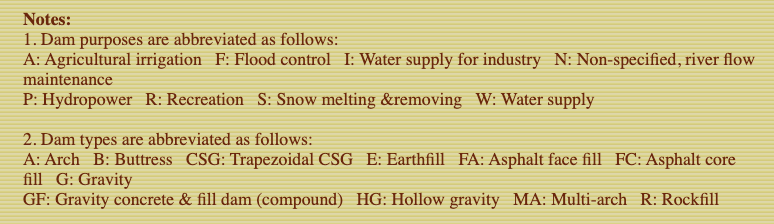
Note how Kido Dam is classified as nearly everything except ‘P’, for ‘Hydropower’. Yet it does include ‘N’ for ‘Non-specified’. How could there possibly be any doubt remaining as to the purpose of so gigantic a dam, in service since 2007?
Note also above the arcing scenic highway bridge offering an unusually clear view of the non-existent power grid hardware interface. So, deep secrets are not only “hidden in plain sight”, but here, are even optimally showcased for the maximum number of proletarian dullards to view it, and not understand: that is, “Having the Elite’s secret rubbed in their noses”.
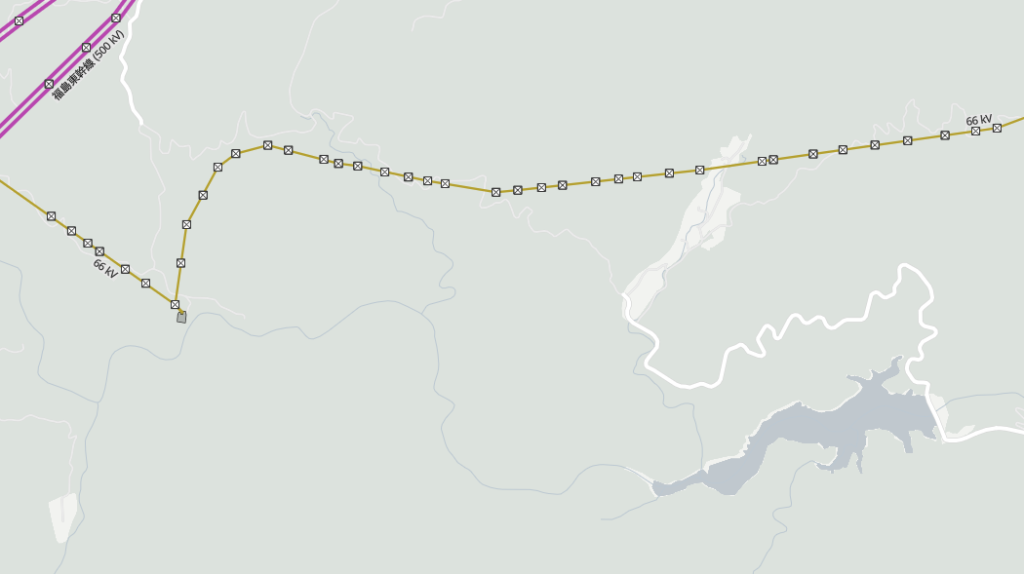
View location on nationwide electric power infrastructure map
Convulsively, How the Dominoes Could Fall, Beginning with Kido Dam
- Kido Dam houses a covert Heavy Water production plant. Heavy Water is used in the manufacture of Atom Bombs.
- Atom Bomb development in Japan was supposedly strictly prohibited by the new Constitution imposed on Japan by the US after WWII.
- All over Eastern Asia are nations who would be inalterably opposed to Japan having atomic weapons, owing to their terrible experience with Japan during WWII.
- Atom Bomb development in Japan never actually stopped, it literally went underground into secret subterranean weapons laboratories. One of these was located beneath the infamous Fukushima Daiichi power plant, and it was destroyed on March 11, 2011.
- Japan developed a process for converting spent fuel rods from legal, above-ground nuclear power plants into weapons-grade warheads for atom bombs (such as Hydrogen bombs). Prior to destruction it was located beneath Fukushima Daiichi.
- Since disposing of spent fuel rods is so extraordinarily expensive and dangerous, this process has not one, but TWO extremely strong advantages, both at the same time.
- The availability of this process greatly fuels the proliferation of atom bombs, including to nations which had not previously been nuclear powers.
- Therefore it could be exposed that, at the same time the US was officially prohibiting atomic weapons development in Japan, it was actually its partner in funding and shepharding it.
- Japan apparently doesn’t have ICBMs or heavy bombers to deliver atom bombs to targets, so instead (apparently) it sells plutonium warheads to someone, somewhere.
- The US is Japan’s primary customer for purchasing plutonium atom bomb warheads.
- Ever since WWII, both nations have lied about whether Japan has had an ongoing nuclear weapons program.
What would happen if both nations were forced to admit this?
Much More Map Info (GeoHack)

- With only 1/3 the population of the US, Japan has double the number of hydroelectric dams
↩︎